The Critical Leadership Mindset Shift: Moving From Me to We
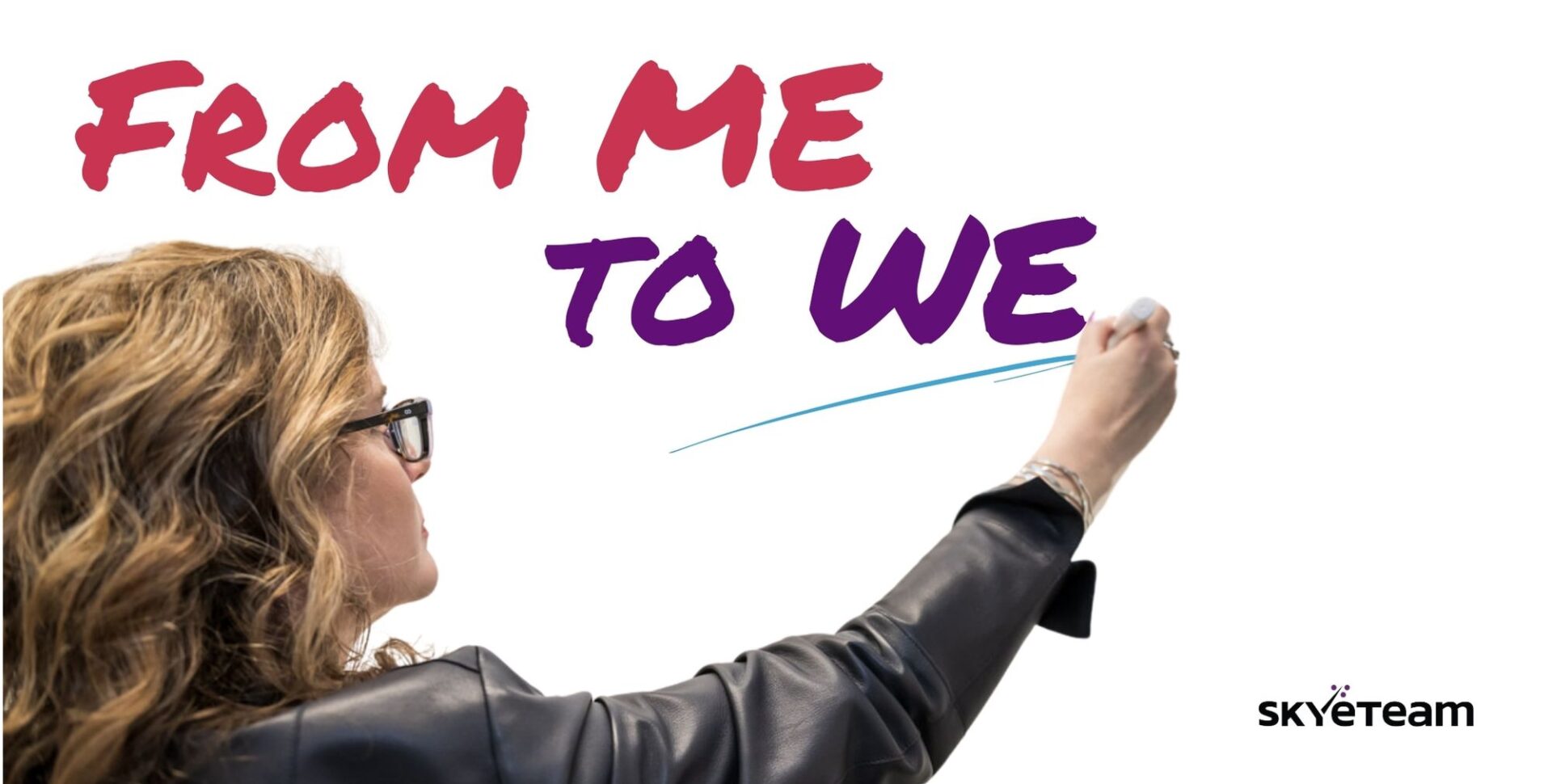
Have you ever noticed how some leaders effortlessly build high-performing teams while others struggle to keep their people engaged? The difference often comes down to a fundamental leadership mindset shift—moving from “me” to “we.”
I know because I lived it.
I first explored this critical shift from me-first to we-first thinking in my book Cultivate: The Power of Winning Relationships, where I introduced the Relationship Ecosystem™. This framework shows how our mindset directly impacts the quality of our professional relationships and ultimately our success. The lessons I’ve learned since then have only reinforced how vital this shift is for leaders at every level.
As a leadership coach now working with executives across industries, I can spot the signs because I experienced them firsthand. The wake-up call came when I realized I had become the very type of leader I now help others avoid becoming.
My “Me-First” Mindset Warning Signs:
- “I could do this faster myself” became my internal mantra. Rather than taking the time to delegate and develop others, I took on more work. After all, I knew exactly how I wanted it done.
- I was the perpetual problem-solver, jumping in with ideas and solutions before my team could think things through. While this felt efficient, it stunted my team’s growth and created a bottleneck.
- I measured success by my personal output rather than my team’s growth or collective achievements. Especially early in my career as a new manager the ‘in-tray to out-tray’ demonstration of value was a habit I had to learn to break. My definition of success was narrow and, ultimately, unsustainable.
Looking back, these behaviours weren’t just limiting my team’s potential – they were burning me out and creating a bottleneck in our branch of the bank.
The Cost of Staying in “Me-First”
When leaders remain stuck in me-first thinking, the impact ripples throughout their organization:
- Teams become disengaged and dependent
- Innovation stagnates as new ideas are stifled
- Top talent leaves, seeking opportunities to grow
- Results suffer as the organization hits a scaling ceiling

Making the Mindset Shift to “We-First”
The good news? This mindset shift is learnable – though I’ll be honest, it takes intentional effort. Here are three practical steps I’ve found that help leaders start moving from me-first to we-first
- Redefine Success: Instead of asking, “How can I shine?” ask “, How can we win together?” This simple reframe changes everything from how you run meetings to how you distribute challenging projects.
- Lead with Curiosity: Before jumping in with solutions, get curious about your team’s perspectives. Ask questions like:
- What should we do here?
- What are we missing?
- How could we approach this differently?
- Share Both Credit and Context: Create a culture of shared success by:
- Highlighting team contributions
- Being transparent about challenges
- Involving others in key decisions early
The Real Power of “We-First”
The most profound impact of this mindset shift surprised even me—it actually makes your job easier, not harder. When you tap into your team’s collective intelligence and creativity, solutions emerge that no individual could have developed alone. Certainly solutions I couldn’t have created on my own, we became better together.
During a recent coaching conversation, an executive I’m working with shared: “I used to think being a strong leader meant having all the answers. Now I realize it’s about creating the conditions for others to contribute their best thinking. We’re achieving things I never thought possible.”
Your Turn
Think about your last three significant decisions:
- Did you make them alone or with input from others?
- What opportunities did you miss to engage your team?
- If you adopted a me-first mindset, how might the outcomes have differed with a “we-first” approach?
The journey from me-first to we-first isn’t always comfortable. It requires vulnerability, trust, and a willingness to let go of old habits. But from personal experience and years of coaching others, the rewards for you, your team, and your organization are transformational.
What’s your experience with this mindset shift? Have you noticed any “me-first” mindset warning signs in your leadership?
Morag Barrett is a keynote speaker, executive coach, and USA Today bestselling author who helps leaders tackle one of today’s biggest workplace challenges: disconnection. Her work focuses on human connection at work, workplace relationships, employee engagement, and team culture — giving leaders practical tools to build trust and perform better together. Her signature keynote, Fine Is a Four-Letter Word, has been delivered to Fortune 500 companies and industry conferences worldwide. Member of Marshall Goldsmith’s 100 Coaches. Regular contributor to Fast Company.




Let's Connect